BREAKING: President Donald Trump's Iran Deal Leaves Barack Obama Speechless - He Can't Believe It
Washington, D.C. - June 14, 2026
Trump Administration Outlines Potential Framework for U.S.-Iran Agreement on Nuclear Dismantlement and Hormuz Access
A senior administration official on Friday detailed elements of a possible short-term agreement with Iran that could open the door to formal negotiations aimed at ending the current conflict and addressing Tehran’s nuclear program.
Speaking to reporters, the official described a framework that would reopen the Strait of Hormuz to commercial traffic and end the U.S. naval blockade of the vital waterway. The proposed deal would also lead to the dismantling of the Iranian nuclear program, with the United States taking possession of enriched nuclear material for destruction and removal from the country. An inspection regime would be established to verify that commitments remain long-term and enforceable.
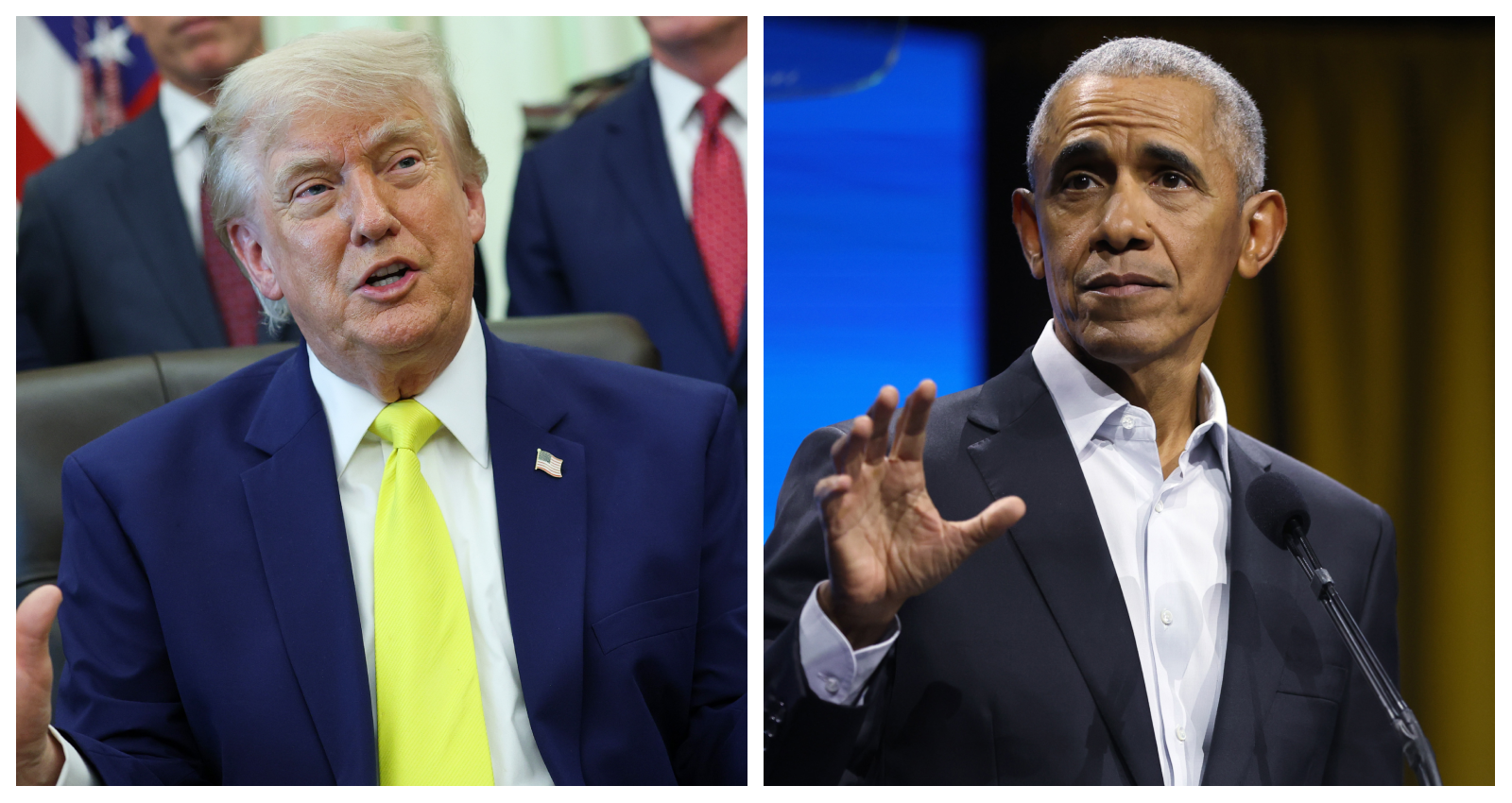
The potential agreement would represent a significant departure from the 2015 nuclear deal negotiated under former President Barack Obama, which President Trump withdrew from during his first term.
Under the outlined framework, Iran would receive economic relief and reintegration into the global economy only after it meets its obligations. No sanctions relief or financial benefits would be provided upfront or upon the signing of any memorandum of understanding.
“If they comply, they’re going to be relieved of a lot of the economic pressures that they’ve been under for many, many years, so they do get reintegrated into the world economy,” the senior administration official said.
The official confirmed that Iran would receive economic rewards solely for fulfilling its commitments under the deal. A 60-day window remains open for additional technical negotiations on outstanding issues.
The official assessed an 80 to 85 percent chance that a memorandum of understanding could be signed in the near term. Iran’s Foreign Minister stated Friday that such an understanding “has never been closer.”
U.S. negotiators have navigated a complex and fractured power structure inside Iran. The official indicated that many on the Iranian civilian and military negotiating teams appear supportive of the current framework. However, internal divisions persist, with some hardliners seeking to shape the narrative to maximize their domestic standing while minimizing concessions.
The official noted that Iran’s supreme leader is believed to be comfortable with the direction of talks, though U.S. officials have not independently confirmed final authorization from that office. “Really, all we can take is the people, both on the civilian and military side, both of whom have attested that the supreme leader is comfortable with where we are in the negotiation,” the official said.
The discussions occur against the backdrop of an uneasy ceasefire marked by periodic military strikes, heightened rhetoric, and mutual threats. Both American and Iranian officials have at times presented differing accounts of what has been agreed upon in principle.
Reopening the Strait of Hormuz would have immediate implications for global energy markets. The waterway handles a significant share of the world’s seaborne oil trade, and its closure or restriction has previously contributed to price volatility.
The proposed inspection and verification measures are described as central to ensuring that any nuclear dismantlement is both verifiable and sustainable over time. The official emphasized that the United States would take possession of enriched material and oversee its destruction and removal.
The framework remains subject to further negotiation and final approvals on both sides. American officials continue to stress that any relief for Iran would be strictly conditional on demonstrated compliance rather than granted in advance.
As technical talks proceed within the 60-day window, the administration is balancing the potential strategic benefits of a verifiable nuclear agreement and restored maritime access against the challenges posed by Iran’s internal political dynamics and the need for robust, long-term enforcement mechanisms.
Big update DA Fani Willis Case - Court Hands Down BIG Ruling
Fulton County DA Fani Willis Ordered to Pay Over $54,000 in Attorney Fees for Open Records Violations
ATLANTA, Ga. — June 15, 2026
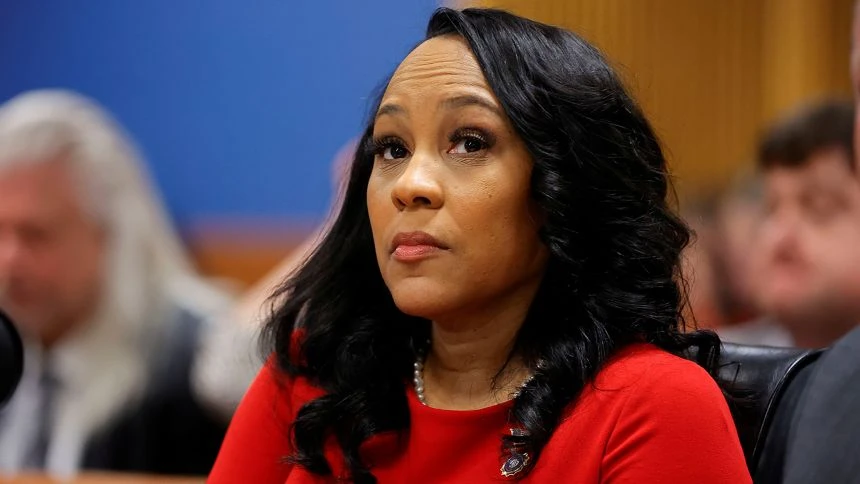
Fulton County District Attorney Fani Willis has been ordered to pay $54,264 in attorney fees after a judge ruled that her office violated Georgia’s Open Records Act by improperly handling document requests from defense attorney Ashleigh Merchant. The ruling represents another legal setback for Willis, who is already appealing her disqualification from the high-profile election interference case involving former President Donald Trump.
The order stems from records requests made by Merchant, who represents Michael Roman, one of the defendants in the Fulton County case. According to the court ruling, Willis’ office was found to have been “openly hostile” to Merchant’s requests and treated them differently from other records requests, which the judge said demonstrated a “lack of good faith.” The court determined that Willis’ office failed to properly respond to the requests in accordance with state law.
Under the ruling, Willis has 30 days to produce all requested records and pay the attorney fees, which cover nearly 80 hours of work by Merchant related to the open records matter. The decision adds to a series of legal challenges facing Willis’ office in connection with the Trump prosecution.
In December 2025, the Georgia Court of Appeals disqualified Willis from the case, citing the “appearance of impropriety” stemming from her past romantic relationship with Nathan Wade, a former special prosecutor she appointed to the case. Willis has appealed that decision to the Georgia Supreme Court, arguing that disqualification based solely on an appearance of impropriety, without evidence of an actual conflict or prosecutorial misconduct, has no precedent in Georgia law.
Separately, the Georgia Senate earlier this year unanimously passed legislation that would allow counties to cover legal fees for defendants in cases where a district attorney is disqualified due to misconduct, provided the case is ultimately dismissed. That measure remains pending in the House.
Merchant, who has been actively litigating against Willis’ office on multiple fronts, responded to the latest ruling on social media, stating that she was proud to see judges hold public officials accountable when they fail to follow the law.
May you like



The ruling comes as Willis continues to face scrutiny over her handling of the election interference investigation. With the case currently on hold pending the outcome of her appeal to the Georgia Supreme Court, the latest order adds further legal and financial pressure on her office.