California Election Scandal Blows Wide Open - Trump Is DEMANDING Answers

Los Angeles, California - June 8, 2026
Slow Vote Counting Persists in Los Angeles Races as Ballot Facility Operates with Limited Staffing
More than five days after California’s June 2 primary election, vote tallies in several prominent contests, including the Los Angeles mayoral race, remain incomplete. Officials reported that only about two-thirds of ballots had been processed in key races as of Monday morning, raising questions about the speed and transparency of election administration in the nation’s most populous state.
Conditions at the Ballot Processing Center
A visit to the Los Angeles County ballot processing facility, a 144,000-square-foot warehouse, showed large sections of empty workstations despite ongoing pressure to tabulate hundreds of thousands of remaining ballots. The facility operates under the Registrar-Recorder/County Clerk’s office, which receives an annual budget of approximately $336 million.
Observers noted dozens of unoccupied chairs and desks across multiple areas. In sections where ballots requiring manual review are handled, bins containing unprocessed ballots sat ready while nearby workstations had no employees present. In another area dedicated to opening envelopes and preparing ballots for scanning, roughly 75 workers were active, though the space could accommodate more than twice that number.
County officials announced Wednesday that 77,521 additional ballots had been processed since election night. An estimated 713,180 ballots were still outstanding at that time. The pace of counting has continued at a measured rate in the days since.
Official Explanations and Criticisms
Election administrators have attributed the extended timeline to the high volume of mail-in ballots, signature verification requirements, and procedures for curing incomplete ballots under California law. They maintain that thorough processing is necessary to ensure accuracy and compliance with state regulations.
Critics, however, argue that the delays are excessive for a state with the resources of California, the fourth-largest economy in the world. They point to faster vote-counting timelines in other countries and question why a well-funded operation appears understaffed during a critical period. The contrast between the reported budget and observed activity levels has drawn particular scrutiny.
Federal Scrutiny and Race Developments
The U.S. Department of Justice has become involved through the office of the U.S. Attorney for the Central District of California, which is examining potential issues in the state’s election processes. This federal review adds another dimension to the ongoing tabulation.
In the Los Angeles mayoral contest and other races, preliminary leads have shifted as later batches of ballots were counted. Some candidates who held strong positions on election night have seen their margins narrow or reverse with additional processing. These changes have intensified debate over the reliability of the extended counting period.
Public Confidence and Systemic Questions
The slow pace of results has prompted broader discussion about election administration in California. Supporters of the current system emphasize the importance of careful verification in a high-volume mail voting environment. Detractors contend that prolonged counting periods create opportunities for doubt and reduce public trust in the final outcomes.
President Trump has publicly criticized the process, linking it to wider concerns about electoral integrity and media coverage of delays. County and state officials have defended their procedures as standard and necessary for accuracy.
As additional ballots continue to be processed, several races remain too close to call or subject to further shifts. The combination of staffing observations at the processing facility, the substantial budget allocation, and federal involvement has placed renewed focus on how California conducts and reports its elections.
The situation continues to evolve as officials work to complete the count. Observers across the political spectrum are monitoring both the pace of tabulation and the response from election administrators and federal authorities.
Top Democrat SHREDDED After Backing Graham Platner - His Career Is Over

Washington, D.C. - June 8, 2026
Democratic Senate Candidate Graham Platner Faces Scrutiny Over Past Conduct and Tattoo
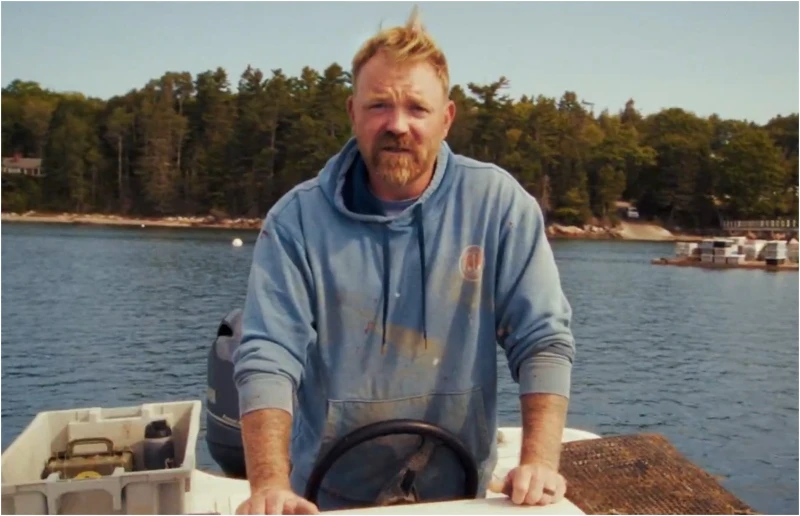
Democratic candidate Graham Platner, running for the U.S. Senate in Maine, is facing renewed attention over allegations regarding his past personal conduct and a tattoo with Nazi-themed imagery. The controversy has drawn comments from supporters and critics alike as the race continues.
New York Times Report and Allegations
A New York Times report detailed allegations from an ex-girlfriend describing toxic and volatile elements in past relationships, including claims of abusive behavior. The report also examined a tattoo Platner received that featured imagery associated with Nazi symbolism.
Platner has denied the most serious allegations. In an interview with MSNBC’s Chris Hayes, he stated that claims of physical abuse were untrue and described the reporting as politically motivated.
“Anything alleging physicality, anything alleging that I knew what my tattoo was, these are the statements of someone who’s politically motivated,” Platner said.
When asked directly whether the ex-girlfriend was lying about the abuse, Platner replied, “Yes, that is not true.”
He has also criticized media coverage of the allegations as journalistic malpractice and attacked the whistleblower who released related text messages.
Support from Rep. Ro Khanna
Rep. Ro Khanna of California, who has been described in some media outlets as a moderate Democrat, has publicly backed Platner. After the Times report, Khanna acknowledged that some of Platner’s past relationships were “wrong and toxic.” He noted that Platner had sought redemption and taken accountability.
At a campaign rally for Platner in Maine, Khanna addressed the allegations directly.
“No one should make excuses for his past relationships, some of which were toxic and volatile, and no one on our side should attack any of the women who came forward,” Khanna said.
“You know why? Because Democrats believe in respecting the equality and dignity of women. And we always will.”
Khanna stated that Platner hated misogyny and had worked to become a better person. He also suggested that Platner’s service in the War on Terror had affected him, saying the experience had “broken” many service members and that “sometimes I think we’re broken as a country.”
Context of the Race
Platner is seeking the Democratic nomination for the U.S. Senate seat in Maine. The race has drawn national attention because of the candidate’s background and the controversies surrounding his personal history. Supporters have emphasized his military service and personal growth, while critics have questioned whether the allegations and the tattoo raise serious concerns about his fitness for office.
May you like



The developments come amid broader debates within the Democratic Party about candidate vetting and responses to allegations of misconduct. Platner has maintained that he is committed to accountability and has rejected characterizations of his past actions.
The outcome of the Maine Senate race and the handling of these issues by Democratic leaders are expected to be closely watched in the coming months.