SENATOR KENNEDY DELIVERS FATAL BLOW TO OMAR'S CAREER AS SHE BLAMES TRUMP FOR SOMALI PANIC
Washington, D.C. - June 8, 2026
Senator John Kennedy Responds to Rep. Ilhan Omar on Senate Floor Over Minnesota Community Concerns
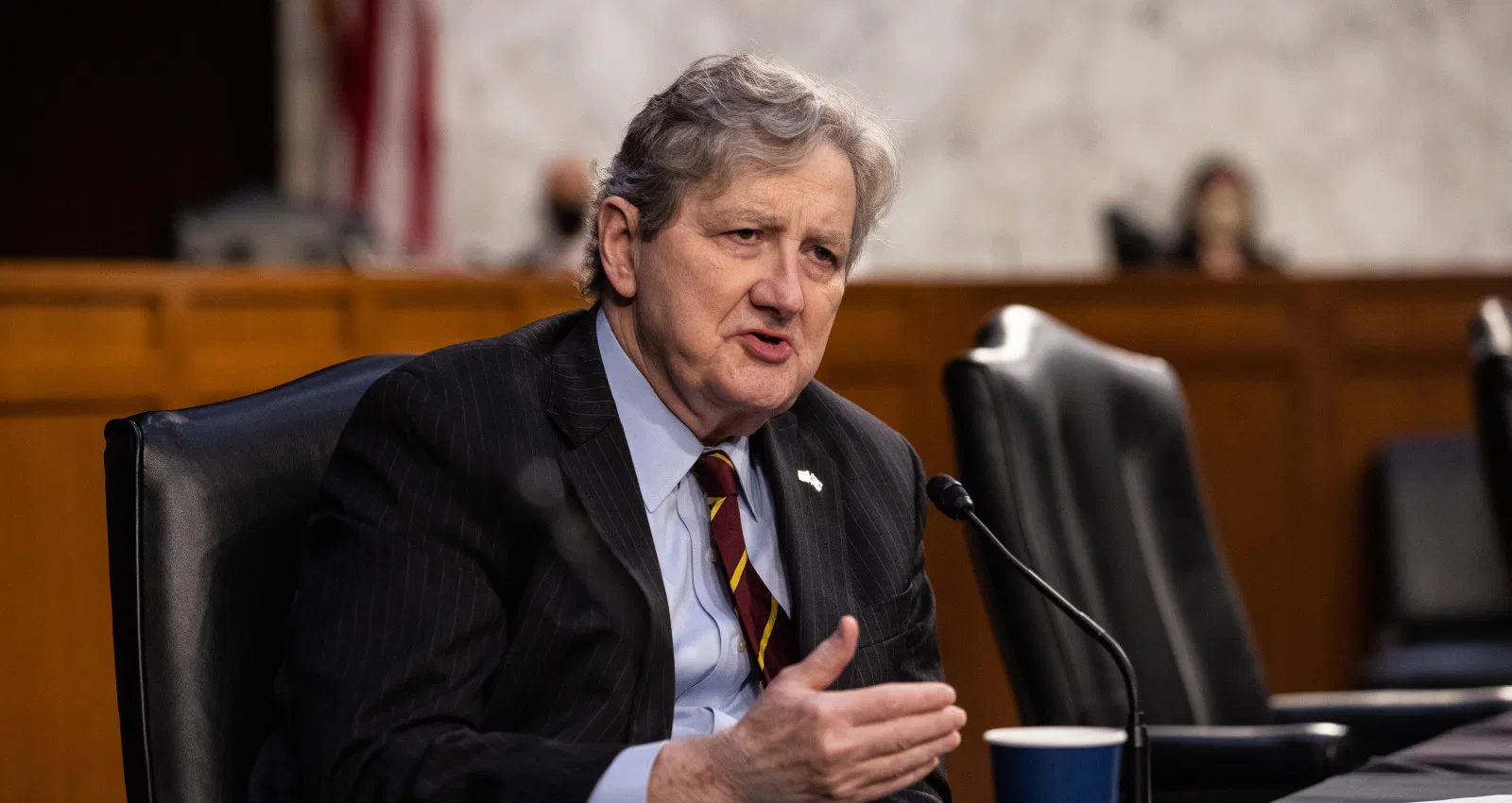
Senator John Kennedy, R-La., delivered a pointed rebuttal on the Senate floor to remarks made by Rep. Ilhan Omar, D-Minn., regarding community tensions in Minnesota amid federal deportation operations. Omar had held a press conference in Minneapolis describing fear within parts of the Somali community and attributing it to actions by the Trump administration.
Omar stated that families were living in fear of enforcement actions and accused President Trump of inciting threats through his rhetoric.
“Donald Trump is not just enforcing the law; he is hunting a community,” Omar said. “His rhetoric has put a target on our backs. My office is flooded with death threats. My people are living in terror that one phone call, one tip from a racist neighbor, will end their lives in this country. This is ethnic cleansing disguised as policy.”
She described mothers afraid to answer phones and fathers sleeping in shifts due to concerns about potential enforcement actions.
Kennedy’s Response on the Senate Floor
Senator Kennedy addressed Omar’s comments directly during Senate proceedings. He acknowledged community concerns but reframed the source of the tension.
“The Congresswoman is very upset today,” Kennedy said. “She says she is receiving threats. She says her community is afraid. And she blames President Trump for lighting the match.”
Kennedy continued by distinguishing between threats and consequences of prior statements.
“But Congresswoman, you need to learn the difference between a threat and a consequence,” he said. “You spent years telling your community that America is a hateful, racist, evil place. You spent years spitting on the country that took you in. You called us villains while cashing our checks.”
He added that Omar was facing backlash for her own past rhetoric rather than solely from administration policies.
“You aren’t receiving death threats, Congresswoman,” Kennedy said. “You are receiving the receipts for the division you ordered. You lit the fire with your rhetoric, and now you’re screaming because it got too hot in the kitchen. That isn’t a tragedy. That’s just poetic justice.”
Kennedy concluded by linking current enforcement actions to earlier statements.
“The fear in Minnesota isn't because Donald Trump is a monster,” he said. “It's because for the first time in your career, the law has finally arrived to collect the debt you owe.”
Political Context
Omar’s press conference occurred as federal authorities prepared targeted deportation operations in parts of the Midwest. Her comments drew attention to divisions over immigration enforcement and community reactions in Minnesota.
Kennedy’s remarks on the Senate floor shifted focus to questions of accountability for public statements by elected officials. The exchange has been widely discussed as an example of sharp partisan disagreement over the causes of community anxiety and the role of rhetoric in political debate.
The situation remains fluid as enforcement actions and political responses continue to develop.
Spencer Pratt Bombshell Huge Update After Ballots Drop Overnight in LA Mayor Race

Los Angeles, California - June 9, 2026
Initial Republican Leads in California Primary Face Shifts as Late Ballots Continue to Be Processed
Following Tuesday’s primary elections, early vote tallies in key California races showed strong performances by Republican candidates. However, the state’s extended ballot-counting process has produced changes in preliminary results, raising questions about the pace and transparency of election administration.
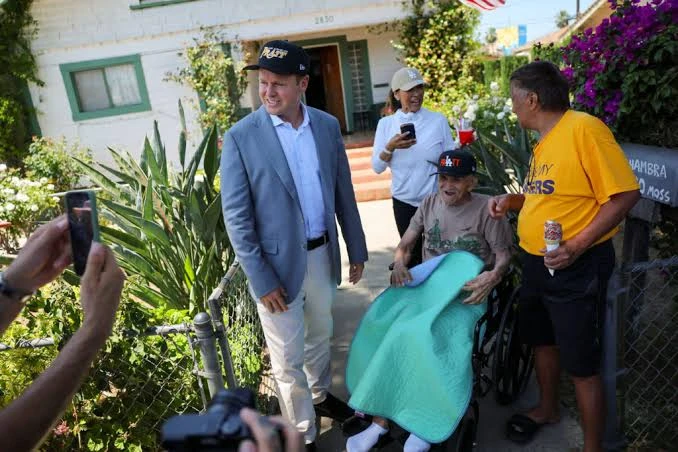
In the Los Angeles mayoral race, right-leaning candidate Spencer Pratt held the top position after initial counts. The high-profile campaign had drawn considerable media attention and positioned Pratt as a notable contender.
In the gubernatorial primary, former television host Steve Hilton maintained a lead with approximately 28 percent of the vote. Former Health and Human Services Secretary Xavier Becerra followed at roughly 25 percent, while progressive billionaire Tom Steyer stood at about 20 percent, according to figures representing roughly 60 percent of the total vote as of Wednesday morning.
Extended Timeline for Ballot Counting
California’s election system is characterized by a prolonged counting period that often stretches several days or longer after polls close. This timeline stems largely from the volume of mail-in ballots, provisional ballots, and the detailed verification processes required before final tabulation.
Ballots postmarked by Election Day continue to arrive and be processed in the days following the vote. Observers have noted instances where additional batches of ballots, sometimes described as late mail-in drops, have altered early leads in certain contests.
In the Los Angeles mayoral race, the initial advantage held by Spencer Pratt has been subject to movement as overnight and subsequent ballot processing continues. Similar dynamics have appeared in other races, with some preliminary results showing shifts toward Democratic candidates.
Election officials attribute the extended timeline to the need for thorough signature verification, curing of ballots, and the high number of mail ballots typical in the state. They maintain that these steps are essential to ensure accuracy and compliance with state law.

Political Reactions and Broader Debate
The early leads by Pratt and Hilton generated optimism among some observers that California might be experiencing a shift in voter sentiment. The subsequent processing of late ballots and resulting changes in standings have prompted criticism from those who argue the system lacks sufficient speed and transparency.
Critics contend that the structure of ballot acceptance and counting creates opportunities for disproportionate influence on final outcomes. They point to patterns in which late-arriving ballots have historically produced swings favoring one side in past elections.
Supporters of the current process emphasize that all legally cast ballots must be counted and that delays are an unavoidable byproduct of safeguards designed to protect election integrity. They reject claims of systemic irregularities and stress that the system has withstood previous scrutiny.
May you like



The situation has intensified calls from some quarters for reforms aimed at accelerating results while preserving verification standards. As additional ballots are processed in the coming days, further adjustments to the standings in both the Los Angeles mayoral race and the gubernatorial primary remain possible.
The ongoing count continues to highlight long-standing debates over election administration in California, with participants on multiple sides offering differing assessments of the process’s strengths and vulnerabilities.