Spencer Pratt Bombshell Huge Update After Ballots Drop Overnight in LA Mayor Race
Los Angeles, California - June 9, 2026
Initial Republican Leads in California Primary Face Shifts as Late Ballots Continue to Be Processed
Following Tuesday’s primary elections, early vote tallies in key California races showed strong performances by Republican candidates. However, the state’s extended ballot-counting process has produced changes in preliminary results, raising questions about the pace and transparency of election administration.
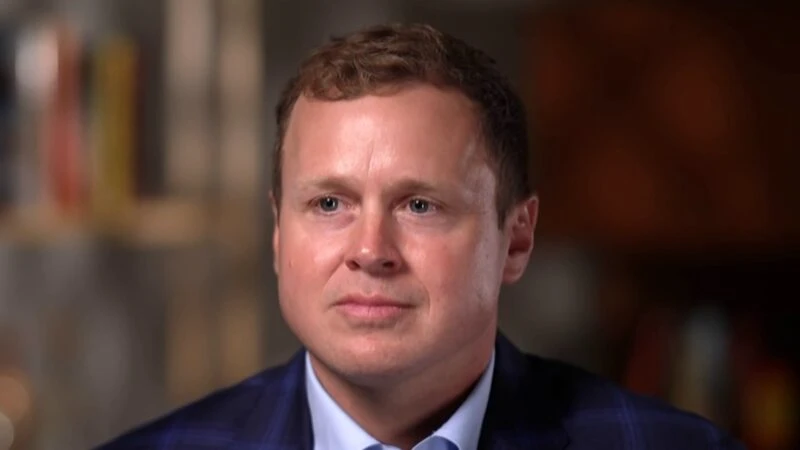
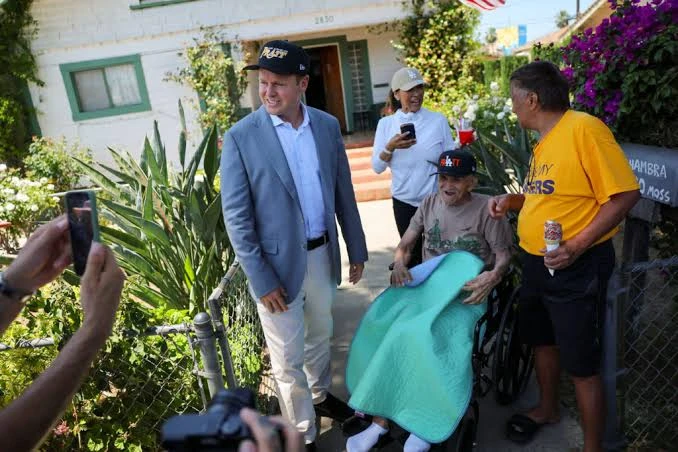
In the Los Angeles mayoral race, right-leaning candidate Spencer Pratt held the top position after initial counts. The high-profile campaign had drawn considerable media attention and positioned Pratt as a notable contender.
In the gubernatorial primary, former television host Steve Hilton maintained a lead with approximately 28 percent of the vote. Former Health and Human Services Secretary Xavier Becerra followed at roughly 25 percent, while progressive billionaire Tom Steyer stood at about 20 percent, according to figures representing roughly 60 percent of the total vote as of Wednesday morning.
Extended Timeline for Ballot Counting
California’s election system is characterized by a prolonged counting period that often stretches several days or longer after polls close. This timeline stems largely from the volume of mail-in ballots, provisional ballots, and the detailed verification processes required before final tabulation.
Ballots postmarked by Election Day continue to arrive and be processed in the days following the vote. Observers have noted instances where additional batches of ballots, sometimes described as late mail-in drops, have altered early leads in certain contests.
In the Los Angeles mayoral race, the initial advantage held by Spencer Pratt has been subject to movement as overnight and subsequent ballot processing continues. Similar dynamics have appeared in other races, with some preliminary results showing shifts toward Democratic candidates.
Election officials attribute the extended timeline to the need for thorough signature verification, curing of ballots, and the high number of mail ballots typical in the state. They maintain that these steps are essential to ensure accuracy and compliance with state law.

Political Reactions and Broader Debate
The early leads by Pratt and Hilton generated optimism among some observers that California might be experiencing a shift in voter sentiment. The subsequent processing of late ballots and resulting changes in standings have prompted criticism from those who argue the system lacks sufficient speed and transparency.
Critics contend that the structure of ballot acceptance and counting creates opportunities for disproportionate influence on final outcomes. They point to patterns in which late-arriving ballots have historically produced swings favoring one side in past elections.
Supporters of the current process emphasize that all legally cast ballots must be counted and that delays are an unavoidable byproduct of safeguards designed to protect election integrity. They reject claims of systemic irregularities and stress that the system has withstood previous scrutiny.
The situation has intensified calls from some quarters for reforms aimed at accelerating results while preserving verification standards. As additional ballots are processed in the coming days, further adjustments to the standings in both the Los Angeles mayoral race and the gubernatorial primary remain possible.
The ongoing count continues to highlight long-standing debates over election administration in California, with participants on multiple sides offering differing assessments of the process’s strengths and vulnerabilities.
DOJ Finds It - California's Election Scandal Just Blew WIDE OPEN
Los Angeles, California - June 8, 2026
U.S. Attorney Bill Essayli Says California Continues to Block Federal Audit of Voter Rolls
U.S. Attorney for the Central District of California Bill Essayli stated that state officials are continuing to block a federal audit of California’s voter registration rolls more than a year after the Department of Justice first sought access. Essayli said his office has identified multiple state policies that have raised concerns about election administration.
Those policies include allowing first-time voters who cannot provide a Social Security number or driver’s license to register using alternative forms of identification. Accepted documents include gym membership cards, employer identification cards, credit or debit cards, and prescription drug labels. The state also permits the use of insurance cards, which has drawn scrutiny because California provides state-funded health coverage to certain individuals regardless of immigration status.
Additional concerns cited by the office include delays in removing deceased voters from the rolls and limited restrictions on third-party ballot harvesting.
Federal Authority and Legal Dispute
Essayli said federal law grants the Attorney General authority to review state voter files to confirm that only eligible U.S. citizens are voting in federal elections.
“For over a year, the Department of Justice has been trying to audit California’s voter rolls,” Essayli wrote. “Federal law gives the Attorney General the authority to review state voter files and confirm that only eligible U.S. citizens are voting in federal elections.”
He added that California has refused to comply, citing state privacy laws. Essayli stated that those laws do not apply to the federal government in this context.
“AAG Dhillon sent California a letter explaining our legal authority,” Essayli wrote, referring to Assistant Attorney General Harmeet Dhillon. “California refused to comply, claiming state privacy laws block the review, an argument that does not hold up because those laws don’t apply to the federal government in this context.”
The Justice Department has filed suit against California. The case is currently before the Ninth Circuit Court of Appeals.
Context of Ongoing Ballot Counting
Essayli’s statements come as California continues processing hundreds of thousands of ballots from the June primary election. In the Los Angeles mayoral race, preliminary leads have shifted as additional ballots were counted in the days following Election Day. Critics have pointed to the pace of counting and changes in vote totals as reasons for concern about election integrity.
Essayli said that if California wants voters to trust its elections, the state should allow the federal review rather than fight to keep records closed.
May you like



“If California genuinely wants voters to trust its elections, it should open its records, not fight to keep them closed,” he wrote. “What are they afraid of?”
California officials have previously defended the state’s election system, stating that existing safeguards are sufficient and that there is no evidence of widespread irregularities affecting outcomes. The dispute over federal access to voter rolls continues as the legal case proceeds.