Top Democrat SHREDDED After Backing Graham Platner - His Career Is Over

Washington, D.C. - June 8, 2026
Democratic Senate Candidate Graham Platner Faces Scrutiny Over Past Conduct and Tattoo
Democratic candidate Graham Platner, running for the U.S. Senate in Maine, is facing renewed attention over allegations regarding his past personal conduct and a tattoo with Nazi-themed imagery. The controversy has drawn comments from supporters and critics alike as the race continues.
New York Times Report and Allegations
A New York Times report detailed allegations from an ex-girlfriend describing toxic and volatile elements in past relationships, including claims of abusive behavior. The report also examined a tattoo Platner received that featured imagery associated with Nazi symbolism.
Platner has denied the most serious allegations. In an interview with MSNBC’s Chris Hayes, he stated that claims of physical abuse were untrue and described the reporting as politically motivated.
“Anything alleging physicality, anything alleging that I knew what my tattoo was, these are the statements of someone who’s politically motivated,” Platner said.
When asked directly whether the ex-girlfriend was lying about the abuse, Platner replied, “Yes, that is not true.”
He has also criticized media coverage of the allegations as journalistic malpractice and attacked the whistleblower who released related text messages.
Support from Rep. Ro Khanna
Rep. Ro Khanna of California, who has been described in some media outlets as a moderate Democrat, has publicly backed Platner. After the Times report, Khanna acknowledged that some of Platner’s past relationships were “wrong and toxic.” He noted that Platner had sought redemption and taken accountability.
At a campaign rally for Platner in Maine, Khanna addressed the allegations directly.
“No one should make excuses for his past relationships, some of which were toxic and volatile, and no one on our side should attack any of the women who came forward,” Khanna said.
“You know why? Because Democrats believe in respecting the equality and dignity of women. And we always will.”
Khanna stated that Platner hated misogyny and had worked to become a better person. He also suggested that Platner’s service in the War on Terror had affected him, saying the experience had “broken” many service members and that “sometimes I think we’re broken as a country.”
Context of the Race
Platner is seeking the Democratic nomination for the U.S. Senate seat in Maine. The race has drawn national attention because of the candidate’s background and the controversies surrounding his personal history. Supporters have emphasized his military service and personal growth, while critics have questioned whether the allegations and the tattoo raise serious concerns about his fitness for office.
The developments come amid broader debates within the Democratic Party about candidate vetting and responses to allegations of misconduct. Platner has maintained that he is committed to accountability and has rejected characterizations of his past actions.
The outcome of the Maine Senate race and the handling of these issues by Democratic leaders are expected to be closely watched in the coming months.
Senate Republicans Finally Give Trump What He Has Demanded - In A 56-43 Vote They Have Advanced Funding For ICE
Washington, D.C. - June 8, 2026
Senate Republicans Advance $70 Billion Immigration Enforcement Funding Bill After Internal Concessions
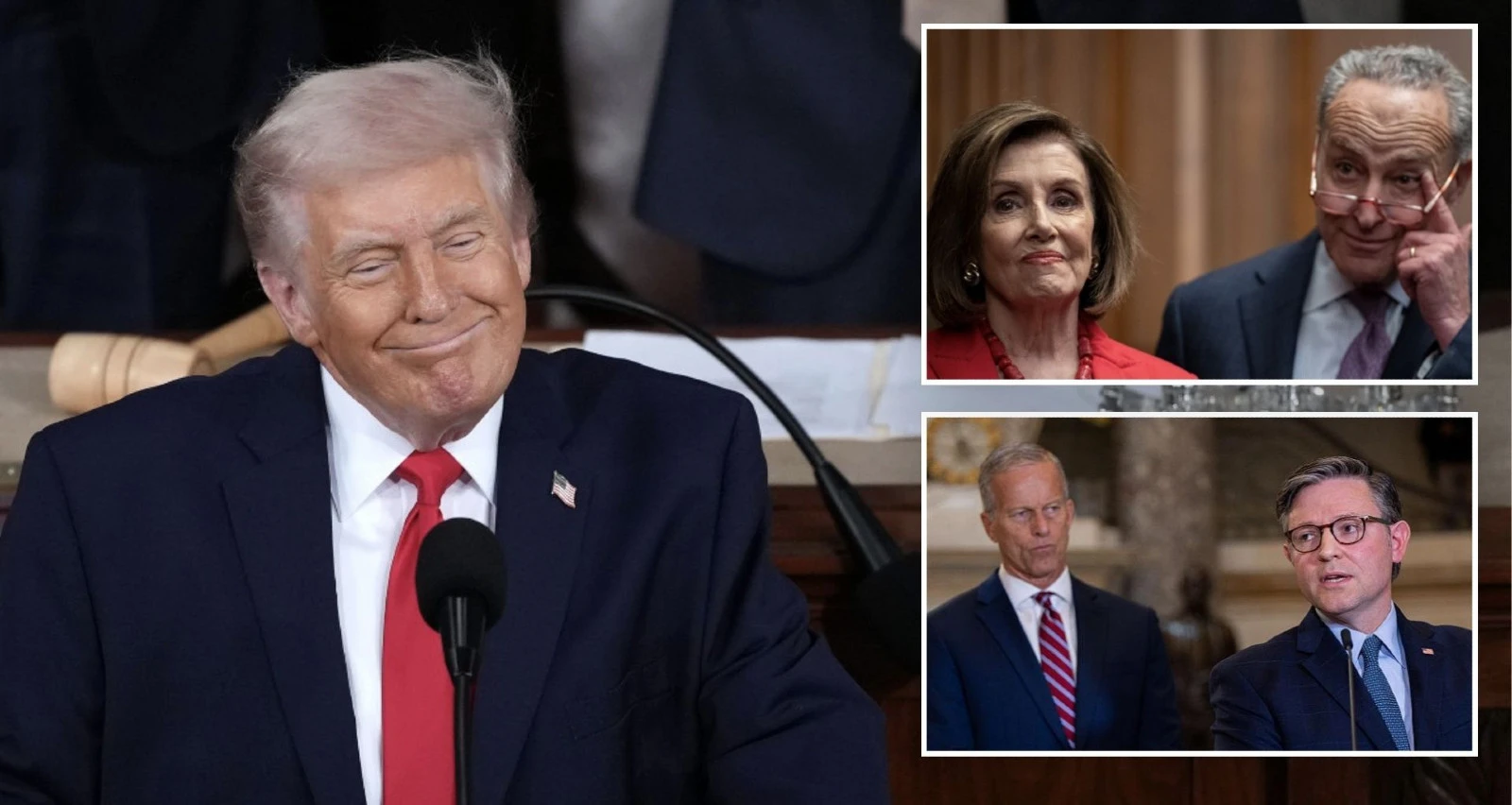
The Republican-led Senate voted 53-46 on Wednesday to begin debate on a roughly $70 billion package aimed at funding immigration enforcement operations. The measure would provide resources for U.S. Immigration and Customs Enforcement and the Border Patrol as the Trump administration pursues its deportation priorities.
Key Provisions and Compromises
The legislation advanced through the budget reconciliation process, which allows Republicans to pass fiscal measures with a simple majority. Senate leaders had worked for weeks to address concerns within their own conference that threatened to derail support.
One major point of contention was a proposed $1.776 billion settlement fund tied to a lawsuit President Donald Trump filed against the IRS regarding the disclosure of his tax returns. The fund faced opposition from some Senate Republicans over concerns that payments could benefit January 6 defendants and other Trump allies.
Acting Attorney General Todd Blanche informed House lawmakers that the administration would not proceed with the fund.
“We are not moving forward with the fund, period.”
That assurance helped move the immigration package forward. President Trump, when asked whether the fund was permanently dead or merely paused, indicated uncertainty.
“I’d have to ask the lawyers, I don’t know. I love it. I think it’s so important.”
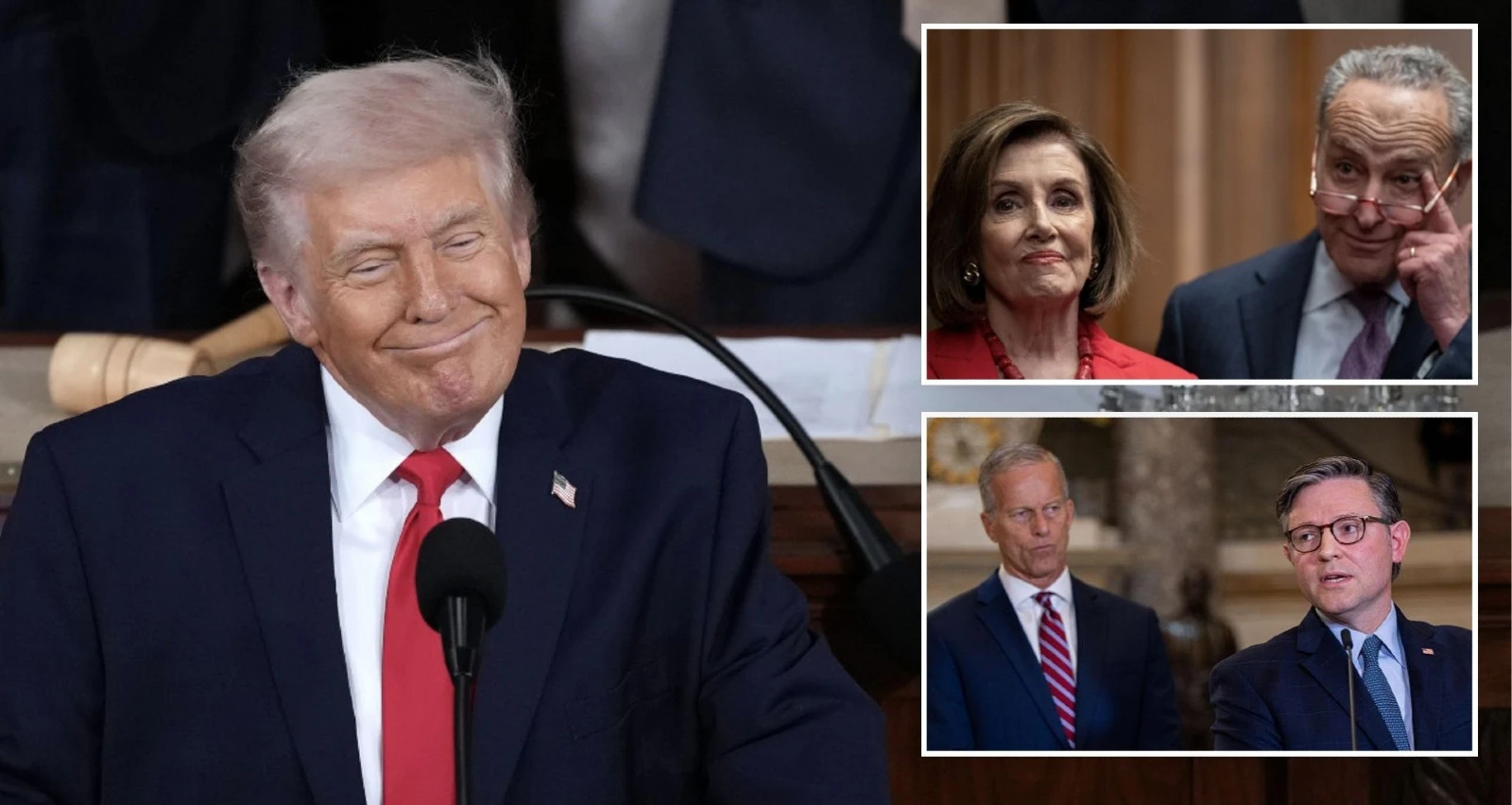
Democratic leaders immediately cited the comments as evidence that statutory protections were needed. Senate Minority Leader Chuck Schumer warned that verbal assurances were insufficient.
“It is only a matter of time before Blanche and Trump go back on their word.”
Additional Changes to the Legislation
Republicans also removed approximately $1 billion in proposed funding for White House security projects, including a ballroom expansion at the executive mansion. The provision had drawn criticism from both parties as an inappropriate use of taxpayer resources amid broader economic concerns.
Senate Majority Leader John Thune emphasized the priority of passing the core immigration funding.
“Right now, the goal is to get the base bill across the finish line.”
Sen. Thom Tillis, R-N.C., announced plans to offer an amendment that would permanently prohibit any future revival of the settlement fund. Thune noted the importance of maintaining party unity.
“Keep in mind, we’ve got to keep them all together, make sure we’ve got 50 votes for it.”
Democratic Response and Next Steps
Democrats have signaled they will use the amendment process to force votes on provisions that would permanently bar any version of the settlement fund. They have also criticized the overall legislation as an expansion of enforcement authority without sufficient oversight.
House Republicans are preparing to consider the measure if it clears the Senate. House Majority Leader Steve Scalise said leaders are monitoring Senate progress and coordinating next steps.
The bill would allocate substantial resources to ICE and Border Patrol operations. Republican supporters argue the funding is essential to support the administration’s immigration enforcement efforts amid ongoing Democratic opposition.
May you like



A lengthy amendment process is expected to continue in the Senate, with both parties preparing for a series of votes on politically sensitive issues. If the package passes the Senate, it would move to the House for further consideration.
The developments reflect the internal negotiations required to advance major legislation within a narrowly divided Senate. Republican leaders have prioritized securing the immigration enforcement funding while addressing concerns from members of their own conference.