WATCH IT: Trump Shreds 'Fake News' Kristen Welker, Storms Out of Interview
Washington, D.C. - June 8, 2026
President Trump Abruptly Ends Meet the Press Interview During Discussion of California Elections
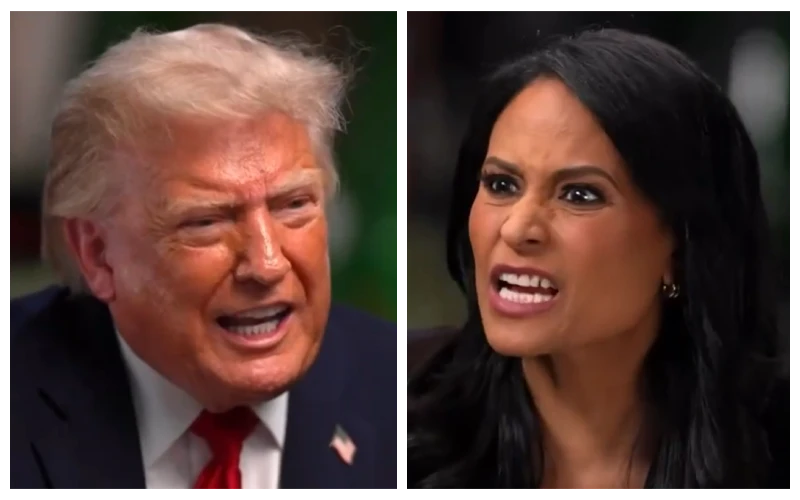
President Donald Trump walked out of an interview with NBC’s Meet the Press host Kristen Welker on Sunday after a heated exchange over the slow vote-counting process in California’s recent elections. The interview, conducted in Wisconsin, covered topics including negotiations with Iran and the status of several California races that remained unresolved days after Election Day.
Interview Context and Escalation
The discussion turned contentious when the conversation shifted to California, where multiple races continued to see shifts in results as additional ballots were processed. Trump criticized the extended timeline for finalizing vote counts, describing the system as flawed and comparing it unfavorably to processes in other countries. He pointed to changes in leads in certain contests as evidence of problems with how votes are tallied and reported.
Welker responded that the counting method follows standard procedures in California. Trump expressed frustration with what he viewed as inadequate media scrutiny of the delays and vote swings. The exchange ended with Trump stating that he had had enough of the discussion.
“So let’s call it quits because I’ve had enough. Thank you, darling, have a good time.”
Trump then left the interview.
California Election Developments
Several California races, including contests in Los Angeles and state legislative districts, remained too close to call or saw leads narrow in the days following the June 2 primary. In one notable example, a candidate who held a substantial lead on election night saw that margin reduced significantly with the arrival of later ballot batches. Additional ballots are still expected in some areas.
U.S. Attorney for the Central District of California Bill Essayli has indicated that his office is examining potential irregularities in the state’s election processes. Officials have attributed the delays to standard procedures for processing mail-in and provisional ballots, while critics argue that the extended timelines undermine public confidence in the results.
Broader Reactions and Statements
Trump has long voiced concerns about election administration in certain states, including questions about 2020. During the interview, he linked the current California situation to wider issues of electoral integrity and media coverage. Welker maintained that the process reflects established state practices.
The abrupt conclusion of the interview drew immediate attention on social media and in news coverage. Supporters of the president praised his decision to end the exchange, while critics described the walkout as an overreaction to routine questioning.
The interview had also touched on U.S. efforts regarding Iran and the path toward any potential agreement to end ongoing conflict. Those portions of the discussion did not appear to trigger the same level of tension as the segment on California elections.
Implications for Public Discourse
The episode highlights ongoing tensions between the Trump administration and segments of the national media. Trump has frequently accused major outlets of biased coverage, particularly on election-related matters. Media representatives, including Welker, have defended their role in asking pointed questions of public officials.
California election officials have stated that the current counting timeline is consistent with past practices in the state, which relies heavily on mail voting. However, the extended period before final certification has prompted renewed calls from some quarters for reforms aimed at faster and more transparent tabulation.
As additional ballots continue to be counted in California, several races remain fluid. The U.S. Attorney’s review adds another layer of scrutiny to the process. The full transcript and video of the Trump-Welker exchange are expected to be released by NBC in the coming days.
Top Democrat SHREDDED After Backing Graham Platner - His Career Is Over

Washington, D.C. - June 8, 2026
Democratic Senate Candidate Graham Platner Faces Scrutiny Over Past Conduct and Tattoo
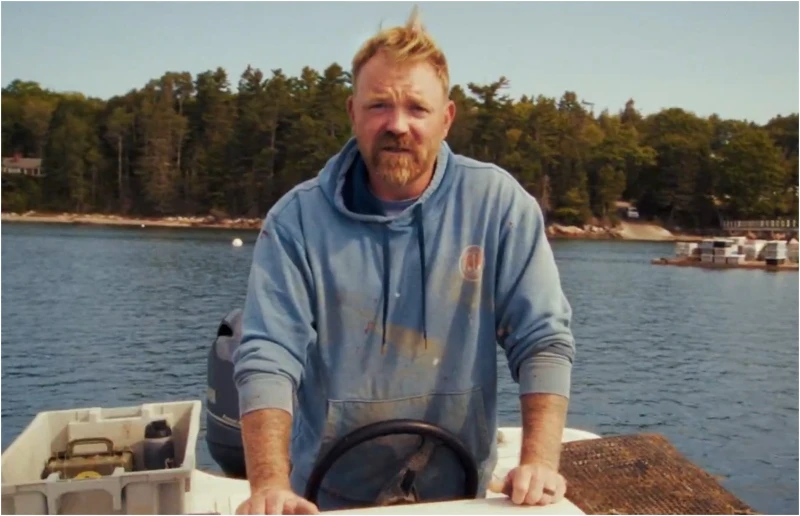
Democratic candidate Graham Platner, running for the U.S. Senate in Maine, is facing renewed attention over allegations regarding his past personal conduct and a tattoo with Nazi-themed imagery. The controversy has drawn comments from supporters and critics alike as the race continues.
New York Times Report and Allegations
A New York Times report detailed allegations from an ex-girlfriend describing toxic and volatile elements in past relationships, including claims of abusive behavior. The report also examined a tattoo Platner received that featured imagery associated with Nazi symbolism.
Platner has denied the most serious allegations. In an interview with MSNBC’s Chris Hayes, he stated that claims of physical abuse were untrue and described the reporting as politically motivated.
“Anything alleging physicality, anything alleging that I knew what my tattoo was, these are the statements of someone who’s politically motivated,” Platner said.
When asked directly whether the ex-girlfriend was lying about the abuse, Platner replied, “Yes, that is not true.”
He has also criticized media coverage of the allegations as journalistic malpractice and attacked the whistleblower who released related text messages.
Support from Rep. Ro Khanna
Rep. Ro Khanna of California, who has been described in some media outlets as a moderate Democrat, has publicly backed Platner. After the Times report, Khanna acknowledged that some of Platner’s past relationships were “wrong and toxic.” He noted that Platner had sought redemption and taken accountability.
At a campaign rally for Platner in Maine, Khanna addressed the allegations directly.
“No one should make excuses for his past relationships, some of which were toxic and volatile, and no one on our side should attack any of the women who came forward,” Khanna said.
“You know why? Because Democrats believe in respecting the equality and dignity of women. And we always will.”
Khanna stated that Platner hated misogyny and had worked to become a better person. He also suggested that Platner’s service in the War on Terror had affected him, saying the experience had “broken” many service members and that “sometimes I think we’re broken as a country.”
Context of the Race
Platner is seeking the Democratic nomination for the U.S. Senate seat in Maine. The race has drawn national attention because of the candidate’s background and the controversies surrounding his personal history. Supporters have emphasized his military service and personal growth, while critics have questioned whether the allegations and the tattoo raise serious concerns about his fitness for office.
May you like


The developments come amid broader debates within the Democratic Party about candidate vetting and responses to allegations of misconduct. Platner has maintained that he is committed to accountability and has rejected characterizations of his past actions.
The outcome of the Maine Senate race and the handling of these issues by Democratic leaders are expected to be closely watched in the coming months.