Chapter 5 - The Trial of Deborah Monroe
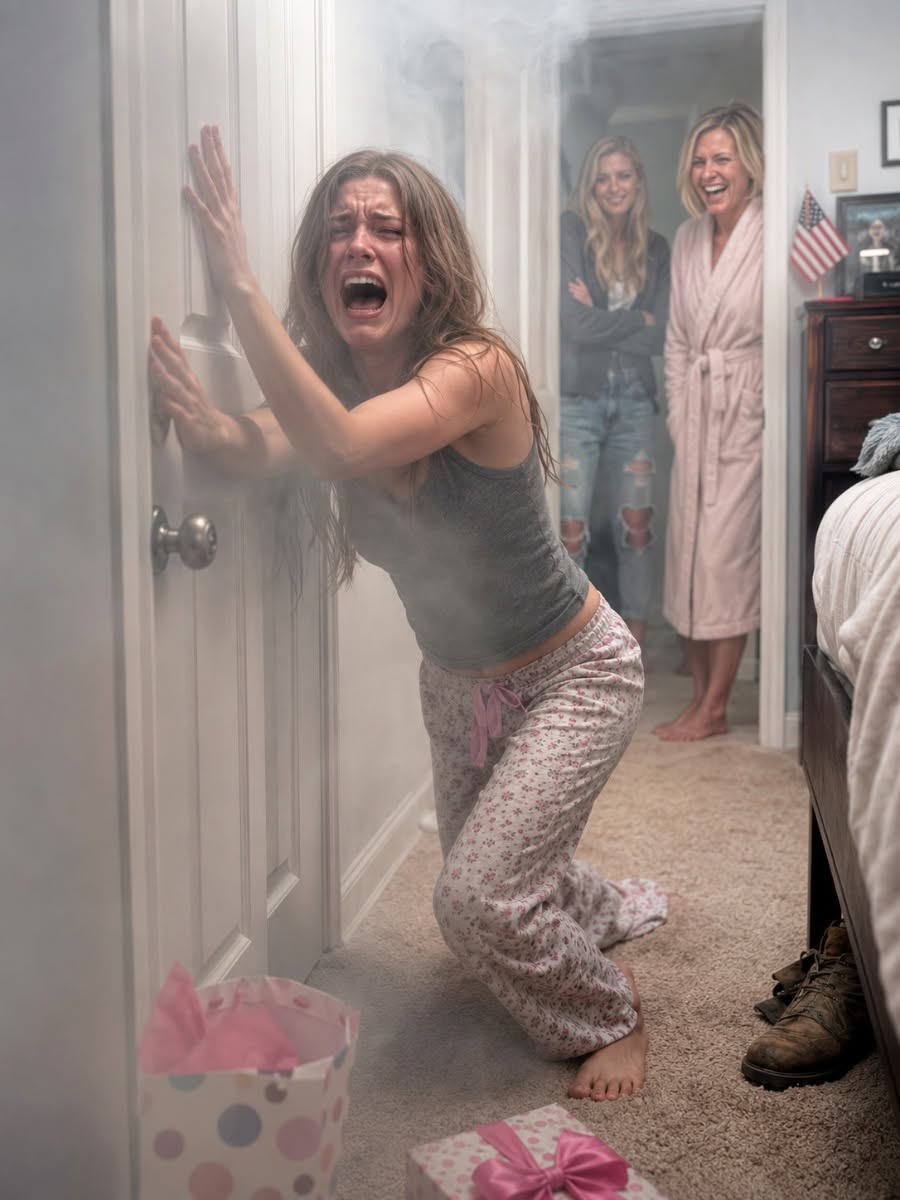
The courthouse in downtown Columbus was gray, imposing, and crowded with reporters when the trial began six months later. I wore a tailored emerald green suit. No pearls. No fake smiles. Just me.
My ankle had healed, leaving only a faint, silver scar near the bone—a matching set to the small scars on my palms from the broken window glass.
When I took the stand, I didn't look at the defense table where Deborah and Jessica sat in orange jumpsuits. Without their highlights, their luxury leggings, and their clinical arrogance, they looked remarkably ordinary. They looked small.
The defense attorney tried to use the old tactics. He brought up my teenage medical records. He called me "sensitive." He asked if I had a history of "exaggerating conflicts for dramatic effect."
I waited for him to finish, my hands resting calmly on the wooden railing of the witness stand.
"When I was fourteen," I said, looking directly at the jury, "my mother told me I was exhausting because I asked what medicine she was forcing me to take. For thirteen years, I believed I was the problem because it was easier to believe I was broken than to admit the people who created me were monsters. But a teenage diary doesn't lock a door from the outside. A difficult personality doesn't pour lighter fluid on a hallway carpet. They wanted me dead because my survival was inconvenient to their reputation."
The jury deliberated for less than three hours.
Guilty on all counts. Attempted first-degree murder, aggravated arson, and conspiracy.
During the sentencing phase, the judge—a formidable woman with sharp eyes—looked down at my mother. "Deborah Monroe, you spent a lifetime using the word 'grace' to mask an insidious, calculated cruelty. You attempted to destroy your youngest daughter because you could not control her. You will spend the next twenty-five years in a facility where every single door is locked from the outside."
Jessica was sentenced to fifteen years as an accomplice. As they were led away in handcuffs, Jessica was sobbing, her shoulders shaking violently. My mother, however, kept her chin up, staring straight ahead, still trying to project an aura of tragic dignity.
But nobody was buying it anymore. The audience had checked out.
When I walked down the courthouse steps into the bright afternoon light, the reporters swarmed me, shouting questions, throwing microphones into my face.
"Caitlyn! How do you feel?" "Are you going to write a book?" "What do you have to say to your mother?"
May you like


I stopped at the bottom step. Maya was waiting for me by her car, the door open, a smile on her face.
I looked back at the cameras one last time. "I have nothing to say to them," I said clearly. "They are part of a past that no longer owns me. My name is Caitlyn. Just Caitlyn. And I’m going home."